
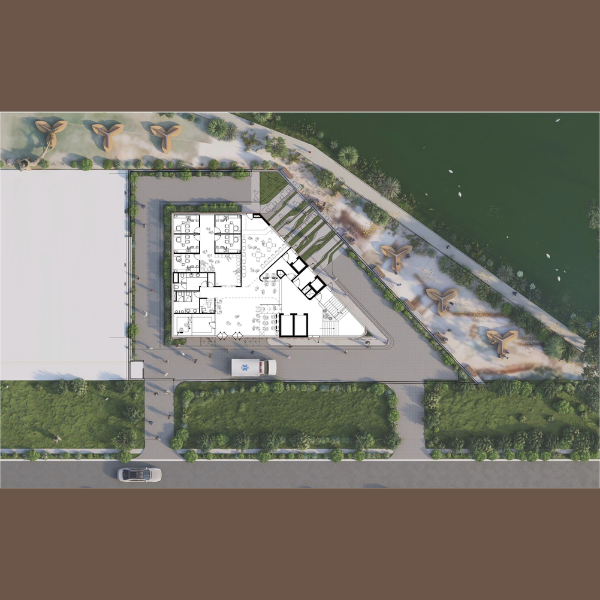
Step-by-Step Guide for Doctors & Healthcare Investors
Starting a hospital in Gurgaon can be a highly rewarding venture due to the city’s rapidly growing population, strong corporate ecosystem, and increasing demand for quality healthcare services. Gurgaon has emerged as one of India’s most prominent healthcare destinations, attracting patients from across the Delhi NCR region as well as international medical tourists.
However, establishing a hospital requires careful planning, significant investment, regulatory compliance, and efficient operational systems. Without structured planning, hospital projects often face delays, financial stress, or operational inefficiencies.
This complete guide explains the step-by-step process of starting a hospital in Gurgaon, covering investment planning, property selection, infrastructure development, licensing, staffing, and marketing strategies.
Why Gurgaon is a Good Location to Start a Hospital
Gurgaon has become one of the most attractive cities in India for healthcare investments due to several factors.
1. High-Income Population
The city hosts a large population of corporate professionals, entrepreneurs, and expatriates who demand high-quality healthcare services.
2. Corporate Healthcare Ecosystem
Hundreds of multinational companies operate in Gurgaon, offering employer-sponsored health insurance to employees. This creates steady demand for hospital services.
3. Medical Tourism
Patients from neighboring countries and across India travel to Gurgaon for specialized medical treatments.
4. Rapid Urban Development
New residential sectors and commercial developments continue to expand, creating opportunities for new hospitals and clinics.
5. Advanced Healthcare Infrastructure
The city already hosts some of India’s best hospitals, which has strengthened Gurgaon’s reputation as a healthcare hub.
Step 1: Define the Type of Hospital You Want to Start
Before investing in infrastructure, it is essential to decide the type and scale of hospital you want to establish.
Common hospital models include:
Multispecialty Hospital
Provides services across multiple medical specialties such as cardiology, orthopedics, neurology, and general surgery.
Specialty Hospital
Focuses on a specific area such as fertility, oncology, orthopedics, or cardiology.
Day Care Surgical Center
Handles procedures that do not require overnight admission.
Small Nursing Home
Typically offers 10–30 beds with basic surgical and medical services.
Choosing the right hospital model depends on your investment capacity, expertise, and local market demand.
Step 2: Conduct Market Research
Market research is critical before starting a hospital.
Key factors to analyze include:
-
Population demographics
-
Income levels in target sectors
-
Existing hospital competition
-
Specialty demand
-
Insurance penetration
-
Corporate healthcare demand
For example, high-end specialties such as IVF, cosmetic surgery, and cardiology may perform better in premium sectors of Gurgaon.
A proper feasibility study helps determine whether your hospital concept is financially viable.
Step 3: Estimate the Investment Required
Starting a hospital requires significant capital investment.
Approximate Cost Estimates
| Hospital Size | Investment Range |
|---|---|
| Small Clinic / Day Care | ₹50 Lakhs – ₹1.5 Crore |
| 10–20 Bed Hospital | ₹3 Crore – ₹8 Crore |
| 30–50 Bed Hospital | ₹8 Crore – ₹20 Crore |
| Large Multispecialty Hospital | ₹25 Crore+ |
Major expenses include:
-
Property purchase or lease
-
Civil construction and interiors
-
Medical equipment
-
Licensing and approvals
-
Staff recruitment
-
IT systems and software
-
Marketing and launch activities
-
Working capital
A detailed financial plan should also include at least 6–12 months of operational working capital.
Step 4: Choose the Right Location
Location plays a crucial role in the success of a hospital.
Important factors to consider include:
-
Accessibility from residential areas
-
Road connectivity and parking availability
-
Proximity to corporate offices
-
Competition in the area
-
Visibility and signage potential
-
Expansion possibilities
Many successful hospitals in Gurgaon are located in areas with high residential density and strong corporate presence.
Choosing the wrong location can significantly affect patient inflow and revenue.
Step 5: Secure Healthcare Property
Hospitals can operate either from leased properties or owned buildings.
Leasing Property
Many doctors prefer leasing hospital buildings because it requires lower initial capital.
Key considerations include:
-
Building structure suitability
-
Floor size and layout flexibility
-
Lift and accessibility
-
Electrical load capacity
-
Fire safety infrastructure
-
Parking space
Purchasing Land or Building
Purchasing land allows complete customization but requires higher investment.
Healthcare property selection should consider future expansion plans and regulatory requirements.
Step 6: Prepare a Detailed Project Report (DPR)
A Detailed Project Report (DPR) is required for:
-
Bank loan approvals
-
Investor presentations
-
Project planning
A DPR typically includes:
-
Market feasibility study
-
Infrastructure planning
-
Equipment estimation
-
Staffing requirements
-
Financial projections
-
Revenue estimates
-
Break-even analysis
A well-prepared DPR increases the chances of securing project financing.
Step 7: Obtain Licenses and Regulatory Approvals
Hospitals in Gurgaon must comply with several regulatory requirements.
Common approvals include:
Clinical Establishment Registration
Mandatory registration under healthcare regulatory framework.
Fire Safety NOC
Required to ensure fire safety compliance.
Biomedical Waste Management Authorization
Hospitals must follow proper biomedical waste disposal guidelines.
Pollution Control Board Approval
Required for healthcare facilities generating medical waste.
Pharmacy License
Needed if the hospital operates an in-house pharmacy.
Radiology or Imaging License
Required for diagnostic equipment such as X-ray or CT scanners.
Compliance planning should begin early to avoid delays in hospital launch.
Step 8: Plan Hospital Infrastructure
Hospital infrastructure must support clinical workflows and patient comfort.
Key infrastructure components include:
-
Reception and waiting area
-
Consultation rooms
-
Operation theatres
-
Intensive care units
-
Diagnostic areas
-
Pharmacy and laboratory
-
Patient wards and private rooms
-
Nursing stations
Proper infrastructure planning improves operational efficiency and infection control.
Step 9: Purchase Medical Equipment
Medical equipment is a major capital expense in hospital setup.
Equipment planning should align with your specialty focus.
Examples include:
-
Operation theatre equipment
-
Diagnostic imaging machines
-
ICU monitoring systems
-
Laboratory analyzers
-
Surgical instruments
Choosing reliable equipment vendors and planning installation early prevents delays.
Step 10: Implement Hospital IT Systems
Digital systems improve efficiency and patient management.
Hospitals should implement:
-
Hospital Management System (HMS)
-
Electronic Medical Records (EMR)
-
Appointment scheduling software
-
Billing and insurance management
-
Inventory management systems
Technology improves accuracy and operational transparency.
Step 11: Recruit and Train Staff
Hospitals require a team of medical and administrative professionals.
Key staff members include:
-
Doctors and specialists
-
Nurses and technicians
-
Front desk staff
-
Billing and insurance coordinators
-
Administrative managers
-
Housekeeping staff
Training programs should focus on patient care standards and operational procedures.
Step 12: Develop Hospital SOPs
Standard Operating Procedures (SOPs) ensure consistent service quality.
Important SOP areas include:
-
Patient admission process
-
Infection control protocols
-
Billing procedures
-
Emergency response systems
-
Discharge procedures
Strong SOP systems reduce operational errors and improve patient experience.
Step 13: Build Insurance & Corporate Tie-Ups
Insurance partnerships significantly increase hospital patient inflow.
Hospitals should establish relationships with:
-
Health insurance companies
-
Third-party administrators (TPAs)
-
Corporate organizations
Corporate healthcare packages and insurance tie-ups ensure steady patient flow.
Step 14: Plan Marketing and Brand Positioning
Even the best hospitals require strong marketing strategies.
Effective healthcare marketing includes:
-
Professional website development
-
Google search optimization
-
Online appointment booking systems
-
Patient review management
-
Referral network building
-
Community healthcare programs
Digital marketing plays a major role in attracting new patients.
Step 15: Plan the Hospital Launch
A structured launch strategy helps hospitals build initial patient trust.
Launch activities may include:
-
Soft opening for limited services
-
Doctor referral outreach
-
Community awareness programs
-
Digital marketing campaigns
A successful launch sets the foundation for long-term growth.
Common Challenges in Hospital Setup
Doctors often face challenges such as:
-
Budget overruns
-
Regulatory delays
-
Vendor coordination issues
-
Staff management difficulties
-
Poor patient inflow initially
Professional healthcare consulting can help overcome these challenges.
How Healthcare Consultants Help in Hospital Setup
Healthcare consulting firms assist with:
-
Market feasibility analysis
-
Property selection
-
Project financing
-
Infrastructure planning
-
Licensing guidance
-
Operational planning
-
Marketing strategy
Structured consulting significantly improves project success rates.
Conclusion
Starting a hospital in Gurgaon offers tremendous opportunities due to the city’s strong healthcare demand, corporate ecosystem, and growing population.
However, success requires careful planning, financial discipline, regulatory compliance, and operational excellence.
By following a structured step-by-step approach and seeking professional guidance when necessary, doctors and healthcare investors can build sustainable and profitable hospitals that serve the growing healthcare needs of Gurgaon and beyond.
Need Expert Guidance for Hospital Setup?
Pradus Health Pvt. Ltd. provides specialized healthcare consulting services to help doctors and healthcare investors establish successful hospitals and clinics.
Our services include:
-
Operations and SOP development
📞 +91 8826494217
📧 pradushealth@gmail.com
📍 Gurgaon, Haryana
Book your consultation today and start building your hospital with confidence.